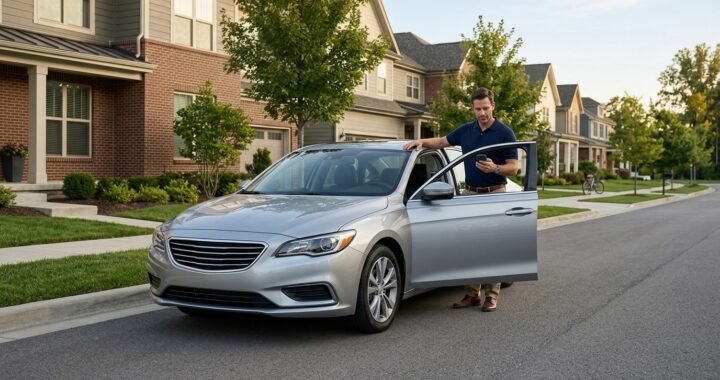
Best Car Insurance for Teenage Drivers in 2026


Adding a teenage driver to a family auto insurance policy can be one of the biggest changes a household faces when a child starts driving.
Teen drivers generally have less driving experience than older motorists, and insurers may consider age, driving experience, driving record, vehicle, location, coverage choices and other factors when determining premiums. Insurance companies can also price the same driver differently, so comparing several quotes can be important.
The good news is that parents have several ways to manage the cost while making sure their teenager has appropriate protection.
What Is the Best Car Insurance for a Teen Driver?
There is no single insurance company that is the best choice for every teenage driver.
The best option depends on the family’s state, driving history, vehicles, coverage limits, deductible, available discounts and the insurer’s underwriting rules.
For many families, the first option to investigate is adding the teenager to an existing family auto policy rather than immediately purchasing a separate policy.
The National Association of Insurance Commissioners (NAIC) notes that it is generally cheaper to add a teenager to a family policy than to purchase a separate policy for the young driver. However, families should still compare prices because insurers can differ significantly in how they price young drivers.
Why Is Car Insurance More Expensive for Teenagers?
Teenagers have less driving experience, which is an important factor insurers consider when assessing risk.
The Insurance Information Institute explains that young drivers have a higher accident risk as a group because of their limited experience. As a result, adding a teenage driver can substantially increase a family’s premium. The actual increase varies by insurer and household.
Your premium may also depend on factors such as:
- The teenager’s age and driving experience
- Driving record
- Where the household lives
- The vehicle being insured
- How the vehicle is used
- Coverage limits
- Deductibles
- Claims history
- Other drivers on the policy
- Available discounts
The rules and rating factors permitted by insurers can also vary by state.
Should You Add Your Teen to Your Existing Policy?
For many families, adding a teenager to an existing family policy is worth investigating before purchasing a separate policy.
A family policy may allow the household to insure multiple vehicles under one policy and may provide access to discounts that apply to multiple vehicles or other qualifying circumstances.
The NAIC states that adding a teenager to a family auto policy is generally less expensive than purchasing a separate policy for the teenager.
However, do not assume the existing insurer will always be the cheapest option.
Ask your current insurer for a revised quote after adding the teenager, then compare that price and coverage with other insurers.
What Discounts Can Help Lower Teen Driver Insurance Costs?
Not every insurer offers the same discounts, and eligibility can vary by state and company.
Ask the insurer whether your teenager qualifies for any of the following.
Good Student Discount
Some insurers offer discounts to students who maintain good grades.
The NAIC and Insurance Information Institute both identify good-student discounts as an option that may be available for qualifying young drivers.
Ask the insurer what academic requirements apply and what documentation is required.
Driver Education
A recognized driver education or training course may qualify a young driver for a discount with some insurers.
Before paying for a course specifically to obtain an insurance discount, confirm with the insurer that the course qualifies.
Safe-Driving or Telematics Programs
Some insurers offer programs that monitor driving behavior through technology.
Depending on the insurer and program, factors such as braking, speed, mileage or driving times may be considered.
Availability, eligibility and the effect on premiums vary, so parents should understand how the program works before enrolling.
Multi-Vehicle Discounts
Families with more than one vehicle may qualify for a multi-vehicle discount.
However, the discount and final premium vary by insurer. The important number to compare is the total price of the policy after all applicable discounts.
Bundling
Some insurers offer discounts when customers purchase multiple types of insurance from the same company, such as auto and homeowners insurance.
A discount does not automatically mean the overall policy is cheaper, so compare the final cost and coverage rather than focusing only on the percentage of the discount.
What Kind of Car Is Best for a Teen Driver?
The vehicle your teenager drives can affect both safety and insurance costs.
The Insurance Information Institute recommends choosing a vehicle that is easy to drive and provides appropriate protection in a crash. It also cautions against choosing vehicles with high-performance characteristics that may encourage speeding or reckless driving.
Before purchasing a vehicle for a teenager, ask your insurer for a quote for that specific make, model and year.
Two vehicles with similar purchase prices can have different insurance costs.
Parents should consider:
- Safety equipment
- Vehicle size and crash protection
- Repair costs
- Theft risk
- Engine and performance characteristics
- Vehicle value
- Insurance coverage requirements
A vehicle that is inexpensive to purchase is not necessarily inexpensive to insure.
Should a Teen Have Full Coverage?
There is no universal answer.
The appropriate coverage depends on the vehicle, the family’s financial situation, the policy, state requirements and whether a lender requires certain coverage.
If the vehicle is financed or leased, the lender may require collision and comprehensive coverage.
For an older vehicle with a relatively low value, parents may decide to review whether maintaining physical-damage coverage makes financial sense. The NAIC recommends reviewing deductibles and physical-damage coverage based on the vehicle’s circumstances, while also considering whether a lender requires that coverage.
Parents should not reduce coverage simply to obtain a lower premium without first understanding what protection they would lose.
Consider Liability Coverage Carefully
Teen drivers can create significant financial exposure if they cause an accident.
State-required minimum liability limits may not provide enough protection for every household or situation.
The Insurance Information Institute recommends that parents consider purchasing higher liability limits because an at-fault driver can be financially responsible for damages that exceed the insurance limits. Depending on the family’s assets and circumstances, some households may also consider an umbrella liability policy.
A licensed insurance professional can help determine appropriate limits for your situation.
How Parents Can Reduce the Cost of Teen Car Insurance
Here are practical steps worth discussing with your insurer:
1. Compare Multiple Insurers
Do not assume your current insurer is automatically the cheapest.
Insurance companies can charge different amounts for similar coverage, so comparing quotes can reveal meaningful differences.
2. Ask About Every Available Discount
Ask specifically about:
- Good student discounts
- Driver education discounts
- Safe-driving programs
- Multi-vehicle discounts
- Bundling discounts
- Low-mileage discounts
- Other driver-specific discounts
Discount availability varies by company and state.
3. Choose the Vehicle Carefully
Get an insurance quote before purchasing the car.
This can prevent an unpleasant surprise after the vehicle has already been purchased.
4. Review Your Deductibles
A higher deductible can reduce the premium for certain coverages, but it also means the household will pay more out of pocket after a covered loss.
Only choose a deductible your household could reasonably afford.
5. Encourage Safe Driving
A clean driving record can be important when insurance premiums are reviewed.
Parents can establish clear rules regarding speeding, passengers, nighttime driving, phone use and other risky behaviors.
The NAIC recommends setting clear driving rules and discussing driving responsibilities with teenagers before they begin driving independently.
What Parents Should Ask an Insurance Company
Before adding a teenage driver, ask:
- How much will my premium change after adding my teenager?
- Does my teenager need to be listed as a driver?
- Does the vehicle my teenager drives affect the premium?
- Are good-student discounts available?
- Is driver education eligible for a discount?
- Do you offer a safe-driving or telematics program?
- Are multi-vehicle discounts available?
- Are there restrictions on which vehicles my teenager can drive?
- What liability limits do you recommend?
- What coverage is required if the vehicle is financed?
- Are there state-specific requirements that apply to my teenager?
- What happens to the premium if my teenager receives a ticket or causes an accident?
Getting clear answers before the teenager begins driving can help prevent coverage problems later.
Common Mistakes Parents Make
Assuming the Cheapest Premium Is the Best Policy
Price matters, but coverage matters too.
A cheaper policy with significantly lower limits or fewer protections may not provide the same value as a more comprehensive policy.
Buying the Car Before Checking Insurance Costs
The vehicle should be evaluated for both purchase price and insurance cost.
Always request an insurance quote before purchasing the vehicle when possible.
Assuming All Discounts Are Available Everywhere
Insurance discounts vary by company and state.
Never assume a discount mentioned online will automatically be available to your household.
Choosing Minimum Coverage Without Understanding the Risk
State minimum requirements are not necessarily the same as the amount of protection a household may want.
Discuss liability limits and other coverage options with a licensed insurance professional.
Forgetting to Notify the Insurer
Parents should communicate with their insurance company when a teenager obtains a permit or license and follow the insurer’s requirements for adding or listing the driver.
Frequently Asked Questions
Is it cheaper to add a teenager to a parent’s car insurance?
In general, the NAIC states that adding a teenager to a family policy is generally cheaper than purchasing a separate policy for the teenager. However, prices vary by insurer and household, so comparing quotes is still important.
What is the cheapest car insurance for a teenage driver?
There is no single cheapest insurer for every teenager.
Rates depend on the driver, state, vehicle, coverage, insurer and other rating factors. The best way to identify the lowest available price is to compare quotes for equivalent coverage.
Can good grades lower a teenager’s insurance premium?
Some insurers offer good-student discounts to qualifying young drivers. Requirements vary, so check directly with the insurer.
Does driver’s education lower insurance costs?
Some insurers offer discounts for qualifying driver education courses. Confirm eligibility with the insurer before enrolling in a course specifically for insurance savings.
Does the teenager’s car affect the insurance price?
Yes. The vehicle is one of the factors insurers may consider when determining premiums. Safety characteristics, vehicle value, repair costs and other characteristics can affect pricing.
Should parents buy an older car for a teenager?
An older vehicle may have a lower value, but the insurance cost depends on the specific vehicle and coverage. Parents should request an insurance quote before making a purchase.
Should parents increase liability coverage when adding a teenager?
Families should consider their financial exposure and discuss appropriate liability limits with a licensed insurance professional. Higher limits can provide more protection than state minimum requirements, although they also generally cost more.
Are teen insurance discounts available in every state?
No. Discounts and eligibility requirements vary by insurer and state. Always confirm availability directly with the insurance company.
Bottom Line
The best car insurance for a teenage driver is not necessarily the insurer with the lowest advertised price.
For most families, the better approach is to compare several insurers using the same coverage limits and deductibles, ask about every applicable discount, consider the vehicle carefully and review liability protection.
Adding a teenager can increase the cost of auto insurance, but families can take practical steps to manage the expense while maintaining appropriate coverage.
Because insurance requirements and pricing vary by state and individual circumstances, review your options with your insurer or a licensed insurance professional before making changes to your policy.
Sources
The information in this article was researched using consumer and regulatory resources, including:
- National Association of Insurance Commissioners (NAIC) — Consumer information on insuring teen drivers and auto insurance costs
- Insurance Information Institute (Triple-I) — Auto insurance information for teen drivers
- State insurance departments and other regulatory resources where applicable
Insurance rules, discounts and coverage requirements can change. Readers should verify current information with their insurance company and applicable state insurance department.
Editorial Review
Editorial Review: This article was prepared and reviewed by the Insurances Claims Editorial Team for clarity and general informational accuracy.
Last reviewed: September 2026
Important: This article provides general educational information and is not insurance, legal or financial advice. Insurance coverage, premiums, eligibility, discounts and requirements vary by state, insurer and individual circumstances.