Full Coverage Car Insurance Quotes: What’s Actually Included

“Full coverage” is one of the most searched car insurance phrases — and also one of the most misunderstood, because it isn’t an official, standardized insurance term. It’s industry shorthand for a bundle of coverages, and what’s included in that bundle can vary by quote.
What “Full Coverage” Typically Includes
- Liability coverage — pays for the other party’s injuries and property damage if you’re at fault (required in nearly every state)
- Collision coverage — pays to repair or replace your car after a collision, regardless of fault
- Comprehensive coverage — pays for non-collision damage: theft, vandalism, fire, weather, hitting an animal
- Uninsured/underinsured motorist coverage — protects you if the at-fault driver has no insurance or not enough
What It Usually Does NOT Include (Unless Added Separately)
- Gap insurance — covers the difference between what you owe on a loan/lease and the car’s actual cash value after a total loss
- Rental reimbursement — pays for a rental car while yours is being repaired
- Roadside assistance — towing, jump-starts, lockout service
- New car replacement — pays for a brand-new equivalent car rather than depreciated value, for very recent purchases
Why Two “Full Coverage” Quotes Can Differ by Hundreds of Dollars
The term’s lack of a strict definition means one insurer’s “full coverage” package might include rental reimbursement and roadside assistance by default, while another’s is the bare minimum of liability + collision + comprehensive. Comparing the sticker price without confirming what’s actually bundled leads people to compare apples to oranges.
Who Actually Needs Full Coverage
- Financed or leased vehicles — lenders almost universally require it as a loan condition
- Newer or higher-value vehicles — the payout from comprehensive/collision matters more when the car is worth more
- Drivers without significant savings — full coverage protects against an out-of-pocket repair or replacement cost that could otherwise be financially devastating
Who Might Reasonably Skip It
Owners of older, low-value vehicles sometimes drop collision and comprehensive once the potential payout (the car’s actual cash value) becomes close to or lower than what they’d pay in premiums over a few years for that coverage. This is a genuine cost-benefit calculation, not a universal rule.
How to Compare Full Coverage Quotes Correctly
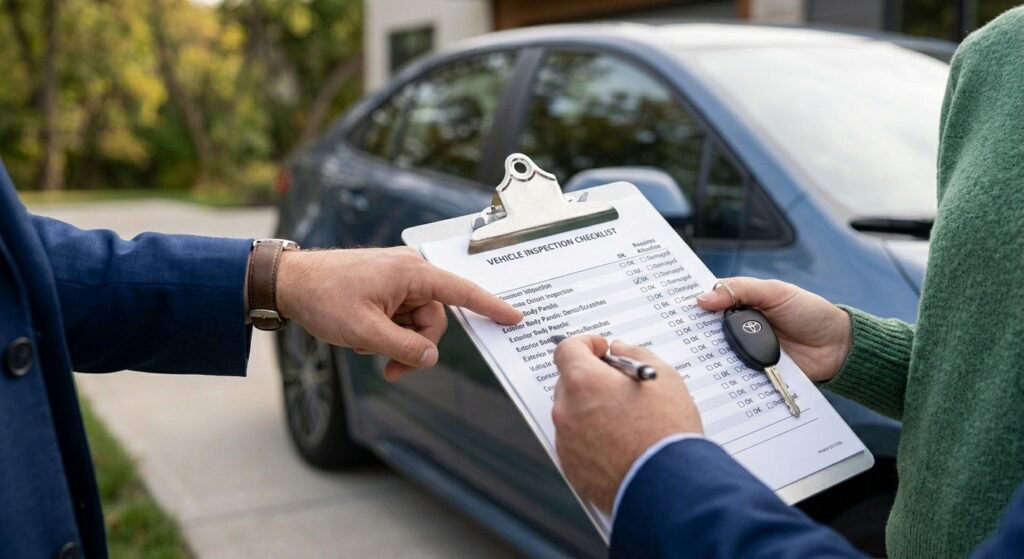
- Request an itemized breakdown, not just a bundled price
- Match deductible amounts across every quote you compare — a lower price with a higher deductible isn’t actually cheaper long-term
- Confirm which optional add-ons (rental, roadside, gap) are included vs. billed separately
Bottom Line
“Full coverage” is a useful shorthand, but treat it as a starting point for questions, not a guarantee of what you’re getting. Always ask for the itemized coverage list before comparing price across insurers.
Get itemized full coverage quotes to compare side by side.