Landlord Insurance for Rental Properties Explained

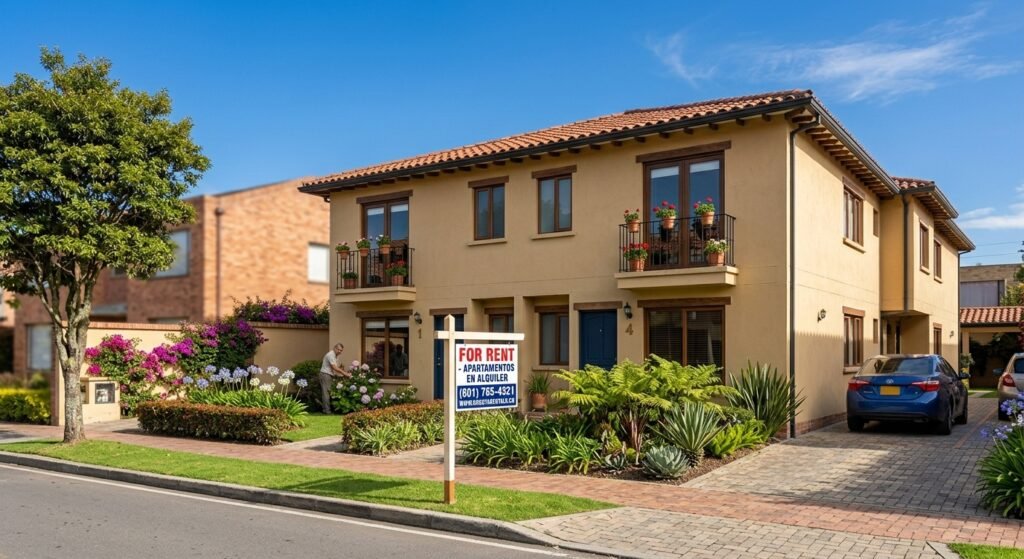
Renting out a property you own — whether it’s a single unit, a duplex, or a full apartment building — changes your insurance needs significantly. A standard homeowners policy is built around owner-occupied residences and typically doesn’t provide adequate coverage once tenants move in.
Why Homeowners Insurance Isn’t Enough for Rentals
Most standard homeowners policies contain occupancy clauses that limit or void coverage once a property is rented rather than owner-occupied. Insurers view rental properties as carrying different risks — tenant-caused damage, extended vacancy periods, and liability exposure from people who aren’t the policyholder.
What Landlord Insurance Typically Covers
- Dwelling coverage — the physical structure, similar to homeowners insurance, covering fire, storm damage, and other named perils
- Liability protection — covers you if a tenant or visitor is injured on the property and holds you responsible
- Loss of rental income — reimburses lost rent if the property becomes uninhabitable due to a covered event (fire, storm damage) while repairs are made
- Optional landlord contents coverage — for any appliances or furnishings you provide (common in furnished rentals), though this doesn’t cover the tenant’s personal belongings
What It Does NOT Cover
Landlord insurance does not cover the tenant’s personal belongings — that’s the tenant’s responsibility through their own renters insurance policy, which many landlords now require as a lease condition specifically for this reason.
Landlord Insurance vs. Homeowners Insurance: Cost Difference
Landlord policies typically cost more than a comparable homeowners policy on the same property — often 15-25% higher — because the insurer is pricing in the added liability and turnover-related risks of a rental arrangement. This is a legitimate cost of doing business as a landlord, not a sign of being overcharged.
Requiring Tenants to Carry Renters Insurance
Many landlords now require proof of renters insurance as part of the lease. This protects the tenant’s belongings, but it also reduces the landlord’s liability exposure — a well-insured tenant is less likely to pursue a claim against the landlord for their own damaged property.
Special Considerations for Multi-Unit or Short-Term Rentals
- Multi-unit buildings may need a specific commercial or multi-family policy rather than a single-family landlord policy
- Short-term/vacation rentals (Airbnb-style) often require specialized coverage, since standard landlord policies frequently exclude short-term stays entirely — this is a common and costly gap for hosts who assume standard landlord coverage applies
Bottom Line
If you’re renting out a property, standard homeowners insurance is very likely insufficient the moment tenants move in. Landlord insurance is built specifically for the risks of being a rental property owner, and skipping it to save on premium is one of the more expensive mistakes a landlord can make if a claim is denied for occupancy reasons.
Compare landlord insurance quotes for your rental property.