Umbrella Insurance: What It Covers Beyond Your Home and Auto Policy

A serious accident or lawsuit can cost far more than the liability limits on a standard homeowners, renters, or auto insurance policy.
That’s where umbrella insurance comes in.
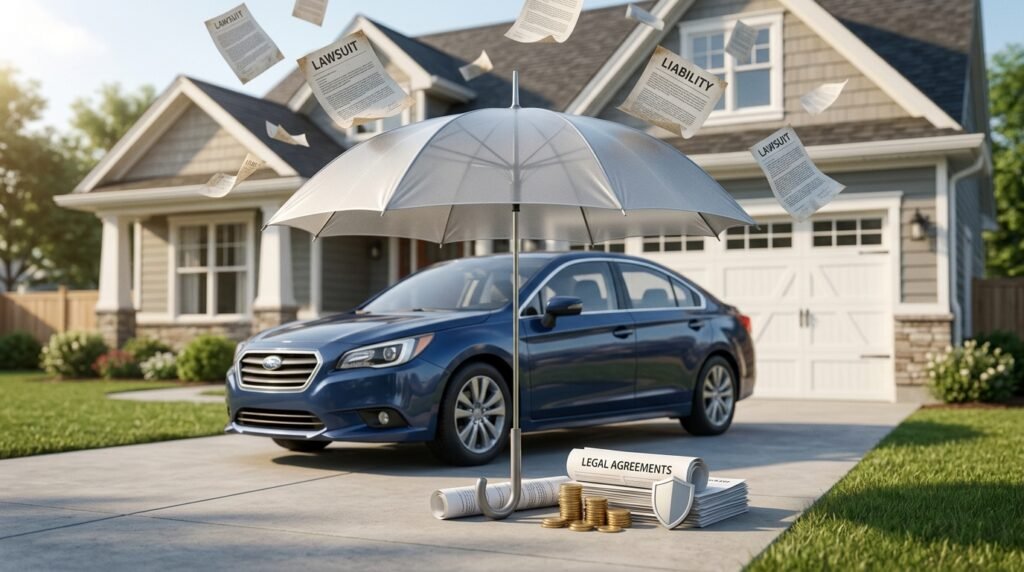
A personal umbrella policy provides an additional layer of liability protection above certain underlying insurance policies. Instead of replacing your homeowners or auto insurance, it generally works after those policies have reached their applicable limits.
For people with significant assets, higher liability exposure, or certain personal risks, umbrella insurance can provide an additional layer of financial protection.
But it’s not designed for everyone.
What Is Umbrella Insurance?
Umbrella insurance is a type of personal liability coverage that provides additional protection above the liability limits of certain underlying insurance policies.
Depending on the insurer and policy, it may sit above coverage such as:
- Homeowners insurance
- Renters insurance
- Condo insurance
- Auto insurance
- Boat insurance
- Certain rental property insurance
For example, suppose you are responsible for a serious auto accident and the resulting covered liability claim reaches $500,000.
If your auto policy has a $250,000 liability limit, the underlying policy could pay up to its applicable limit.
If you have an umbrella policy that covers the claim, the umbrella could potentially provide additional protection above that amount, subject to its terms, exclusions, and limit.
The exact structure varies by insurer and policy, so umbrella insurance should not be viewed as an automatic guarantee that every claim above your underlying limits will be covered.
How Does Umbrella Insurance Work?
Think of umbrella insurance as an additional layer above your existing liability coverage.
A simplified example:
Auto liability limit: $250,000
Covered liability judgment: $750,000
Potential remaining exposure: $500,000
If the claim is covered under both the underlying auto policy and umbrella policy, the auto policy would generally respond first up to its applicable limit.
The umbrella policy could then potentially respond to the remaining covered amount, up to its own policy limit.
This is why insurers typically require customers to maintain certain minimum liability limits on their underlying policies before an umbrella policy becomes available.
Important:
Umbrella insurance doesn’t replace your underlying policies.
If your auto insurer requires you to maintain specific liability limits and you reduce those limits, you could potentially jeopardize your umbrella coverage or create an uninsured gap.
Always check your umbrella policy’s underlying insurance requirements.
What Does Umbrella Insurance Cover?
Coverage varies by insurer, but personal umbrella policies may provide additional liability protection for several types of claims.
Bodily Injury Liability
If someone is seriously injured and you are legally responsible, the underlying policy may pay up to its liability limit.
Umbrella coverage can potentially provide additional protection after that limit is exhausted.
Examples could include:
- A serious car accident
- A guest being injured on your property
- An accident involving a recreational vehicle covered by the policy
- Certain incidents involving other covered personal activities
Property Damage Liability
Umbrella insurance can also provide additional protection when you are legally responsible for damage to someone else’s property.
For example, you could cause significant damage in an automobile accident or another covered incident.
The underlying policy would generally respond first, with the umbrella potentially providing additional protection once the underlying limit is exhausted.
Personal Liability Claims
Some umbrella policies provide coverage for certain personal liability exposures that may not be fully covered by standard homeowners or renters policies.
Depending on the policy, this can include certain claims involving:
- Libel
- Slander
- Defamation
- False arrest
- False imprisonment
- Wrongful eviction
These coverages vary significantly between policies, so check the actual contract rather than assuming every umbrella policy includes every type of personal liability claim.
Legal Defense
Liability insurance can also provide legal defense protection for covered claims.
Depending on the policy structure, an umbrella policy may provide additional defense-related protection when the umbrella becomes involved in a covered claim.
The exact treatment of defense costs can vary, so review the policy’s provisions and limits.
What Does Umbrella Insurance NOT Cover?
Umbrella insurance is primarily designed to protect you from liability claims made by other people.
It generally isn’t designed to pay for your own:
- Medical expenses
- Vehicle damage
- Home damage
- Personal belongings
- Routine maintenance
- Business losses
For example, if you accidentally damage your own car, umbrella insurance generally isn’t the coverage you would use to repair it.
Your auto, homeowners, renters, health, or other applicable insurance would handle different types of losses according to those policies.
Business Liability Is Usually Separate
Personal umbrella policies generally aren’t substitutes for commercial liability insurance.
If you own a business, professional practice, or other commercial operation, you may need separate business insurance.
Depending on the situation, that could include:
- General liability insurance
- Professional liability insurance
- Commercial auto insurance
- Business owner’s insurance
- Commercial umbrella or excess liability coverage
The appropriate coverage depends on the type of business and its exposures.
Who Should Consider Umbrella Insurance?
There’s no single rule that says a person with a certain income or net worth automatically needs umbrella coverage.
However, certain situations can make the additional liability protection more relevant.
1. People With Significant Assets
A large liability judgment could potentially put assets at risk.
Depending on applicable law and the circumstances, this may include exposure involving:
- Savings
- Investments
- Home equity
- Other property
- Certain future income
Umbrella insurance can provide another layer of liability protection against covered claims.
2. Homeowners With Higher Liability Exposure
Owning a home can create additional opportunities for someone to become injured on the property.
Certain features may increase the potential severity or frequency of liability incidents.
Examples include:
- Swimming pools
- Trampolines
- Large gatherings
- Certain recreational equipment
Having these features doesn’t automatically mean you need umbrella insurance, but they can be factors when evaluating personal liability exposure.
3. Drivers With Teenagers or Multiple Drivers
Auto accidents can generate significant liability claims.
Households with multiple drivers or younger drivers may want to consider whether their existing liability limits provide sufficient protection for their financial situation.
The appropriate amount depends on the household’s circumstances and the insurer’s underwriting requirements.
4. Dog Owners
Dog-related injuries can create liability claims, depending on the circumstances and applicable laws.
If you own a dog, especially one with a history of aggressive behavior or other relevant risk factors, ask your insurer how your homeowners or renters policy handles dog-related liability.
An umbrella policy may provide additional protection for eligible claims, but exclusions and breed or incident restrictions can vary.
5. Landlords
Owning rental property can create additional liability exposure.
Landlords should determine whether their existing property insurance provides adequate liability coverage and whether an umbrella or excess liability policy can extend protection to eligible rental properties.
Not every personal umbrella policy automatically covers every rental property, so confirm the policy’s terms before relying on it.
6. People Who Frequently Host Guests
Hosting parties, events, or large gatherings can increase the number of people exposed to potential accidents on your property.
This doesn’t mean a gathering automatically creates a liability problem, but it is another factor to consider when evaluating personal risk.
Do Renters Need Umbrella Insurance?
Yes, renters can potentially benefit from umbrella insurance.
You don’t have to own a home to face a significant liability claim.
For example, a renter could potentially be held responsible for:
- A serious injury to a guest
- Certain accidental property damage
- A covered auto accident
- Certain personal liability claims
Renters insurance typically provides liability coverage, and an umbrella policy can potentially provide additional protection above that underlying limit.
However, the umbrella insurer may require specific renters and auto liability limits before providing coverage.
How Much Does Umbrella Insurance Cost?
The cost depends on several factors, including:
- Amount of umbrella coverage
- Location
- Number of vehicles and drivers
- Driving history
- Number and type of properties
- Rental properties
- Boats or recreational vehicles
- Claims history
- Household risk factors
- Required underlying liability limits
Umbrella policies are often sold in large liability limits, commonly starting around $1 million, with higher limits available from some insurers.
The premium can vary substantially from one household to another.
Rather than relying on a generic price estimate, compare actual quotes based on your specific home, auto, and personal liability profile.
How Much Umbrella Insurance Do You Need?
There isn’t a universal amount that works for everyone.
A common starting point is to consider your assets, income, and potential liability exposure, along with the cost of additional coverage.
For example, someone with:
- A high-value home
- Significant savings and investments
- Multiple vehicles
- Teen drivers
- Rental properties
- A swimming pool
- A boat
- Frequent guests
may have a different liability profile from someone with fewer assets and fewer potential exposures.
Your insurance professional can help you compare your current liability limits with the amount of additional protection available through an umbrella policy.
Umbrella Insurance vs. Excess Liability Insurance
The terms umbrella insurance and excess liability insurance are sometimes used interchangeably, but they are not necessarily identical.
Generally, excess liability coverage is designed primarily to provide additional limits over an underlying policy.
An umbrella policy may provide broader protection depending on the contract, potentially including certain additional personal liability coverages.
The exact difference depends on the insurer and policy wording.
When comparing policies, look beyond the dollar limit and review:
- Covered claims
- Exclusions
- Underlying insurance requirements
- Defense provisions
- Geographic coverage
- Rental property coverage
- Personal liability provisions
A Common Umbrella Insurance Misconception
“I don’t have enough assets to need umbrella insurance.”
The amount of assets you currently own is only one part of the analysis.
A significant liability claim can create financial consequences beyond your current bank balance.
Depending on applicable law and the specific judgment, creditors may have legal mechanisms available to collect from certain assets or income.
That doesn’t mean every person is equally exposed or that an umbrella policy will protect against every form of collection.
It simply means that evaluating liability protection based solely on today’s savings may not provide the complete picture.
Do You Need Umbrella Insurance If You Already Have High Liability Limits?
Not necessarily, but higher underlying limits and umbrella coverage serve different purposes.
Increasing the liability limits on your homeowners or auto policy provides more protection within that underlying policy.
Umbrella insurance adds another layer above qualifying underlying coverage.
For someone with significant liability exposure, comparing both options can help determine whether an umbrella policy makes sense.
What Should You Check Before Buying Umbrella Insurance?
Before purchasing a policy, ask the insurer:
- What underlying liability limits are required?
- Which home and auto policies qualify?
- Are rental properties covered?
- Are boats or recreational vehicles covered?
- Are there exclusions for specific activities?
- Are there dog-related exclusions or restrictions?
- Does the policy cover personal injury claims such as defamation?
- How are defense costs handled?
- Are there geographic restrictions?
- What is the policy limit?
- What happens if an underlying policy doesn’t respond?
These details can be more important than simply comparing the annual premium.
Frequently Asked Questions
Is umbrella insurance worth it?
That depends on your assets, income, liability exposure, existing insurance limits, and the cost of additional coverage. People with greater potential exposure may have more reason to consider an umbrella policy.
Do I need umbrella insurance if I rent?
Potentially. Renters can face significant liability claims, and an umbrella policy may provide additional protection above qualifying renters and auto insurance limits.
Does umbrella insurance cover my house?
Umbrella insurance generally isn’t property insurance for your house. Your homeowners policy covers the physical property. Umbrella insurance primarily provides additional liability protection for covered claims.
Does umbrella insurance cover car accidents?
It can provide additional liability protection for eligible auto accidents after the underlying auto liability coverage has been exhausted, subject to the policy’s terms and exclusions.
Does umbrella insurance cover a rental property?
It may, depending on the insurer and policy. Confirm that your specific rental property and its liability exposure are included.
Does umbrella insurance cover lawsuits?
It can provide liability protection and potentially defense-related coverage for covered lawsuits. However, not every lawsuit is covered, and exclusions can apply.
Does umbrella insurance cover personal injury?
Some policies provide coverage for certain personal injury claims, such as defamation, false arrest, or similar offenses. The exact coverage varies by policy.
Does umbrella insurance cover business liability?
Generally, a personal umbrella policy isn’t a substitute for business liability insurance. Business activities may be excluded or subject to specific limitations.
Is umbrella insurance required?
Umbrella insurance generally isn’t legally required simply because you own a home, rent a property, or drive a vehicle. However, insurers typically require certain underlying liability limits to qualify for an umbrella policy.
The Bottom Line
Umbrella insurance provides an additional layer of personal liability protection above qualifying home, renters, auto, and other underlying policies.
It can be particularly relevant for people with significant assets, higher liability exposure, rental properties, multiple drivers, or activities that could create larger liability claims.
But the right amount of coverage depends on your individual circumstances.
Before buying an umbrella policy, compare your current liability limits, assets, income, potential exposures, exclusions, and the cost of additional coverage.
Most importantly, don’t look only at the $1 million—or larger—headline limit. The underlying coverage requirements and exclusions can be just as important as the amount of insurance you purchase.
Insurance coverage varies by insurer, policy, state, and individual circumstances. Review your policy documents and speak with your insurance provider or a licensed insurance professional for advice about your specific situation.